
Harbour Air Alert

Please be aware of a wind warning in Vancouver. If you would like to rebook your flight, please call the CCC at XXXXXXXX.
Into the Archives
How Harbour Air has connected communities, expanded routes, and shaped the future of coastal travel!
06 Jan, 2026 | 7 min read
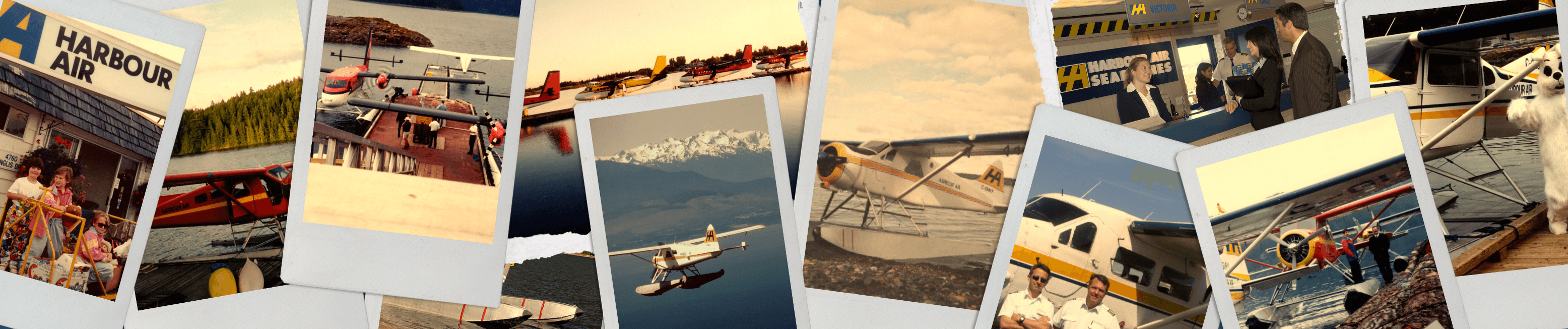
For more than 40 years, Harbour Air has been part of the rhythm of the West Coast. From its early days as a small seaplane operation to becoming North America’s largest seaplane airline, Harbour Air has connected communities and transformed the way people experience coastal travel.
The Beginning of Coastal Connections
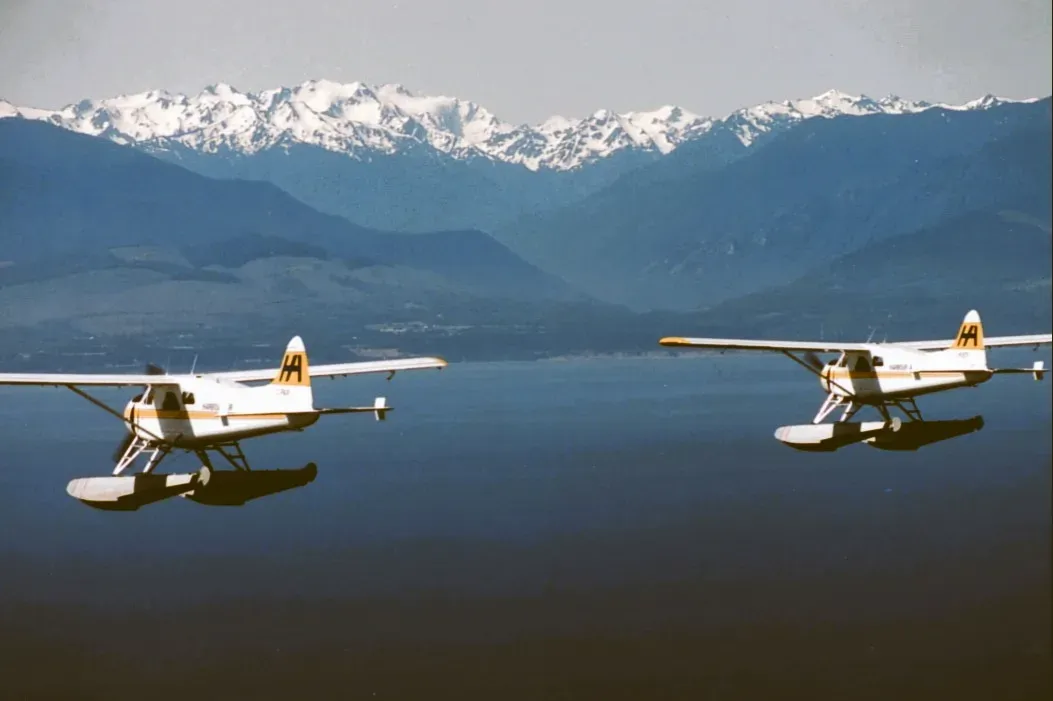
Harbour Air launched in 1982 with two planes and two pilots, focused on providing a faster way to travel between coastal communities. Demand grew quickly, and by 1984 scheduled service was introduced as the fleet expanded to eight aircraft.
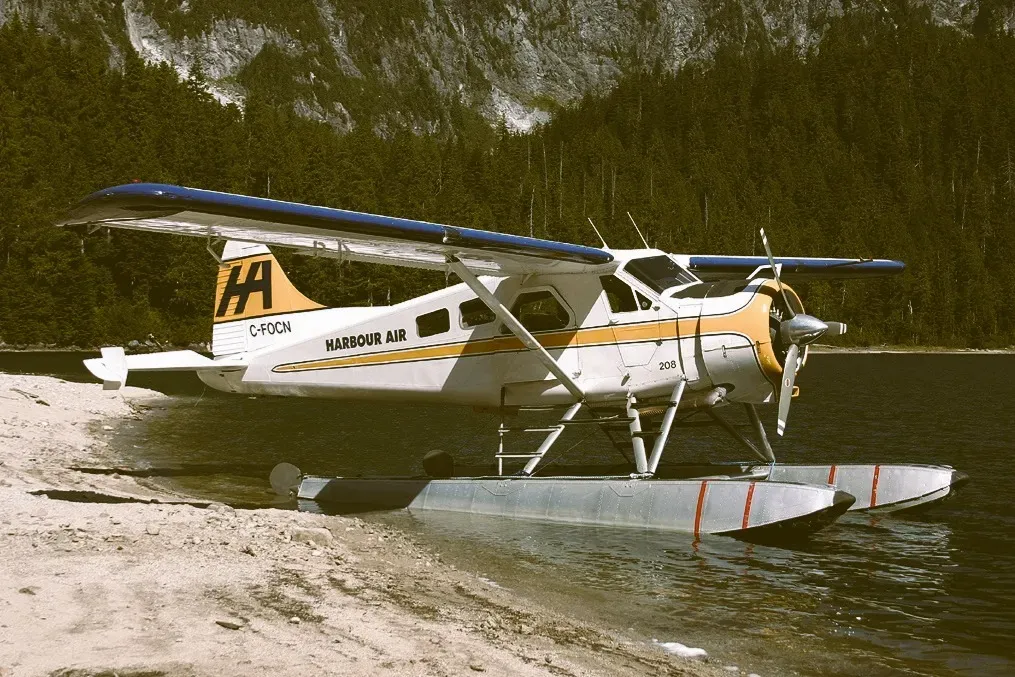
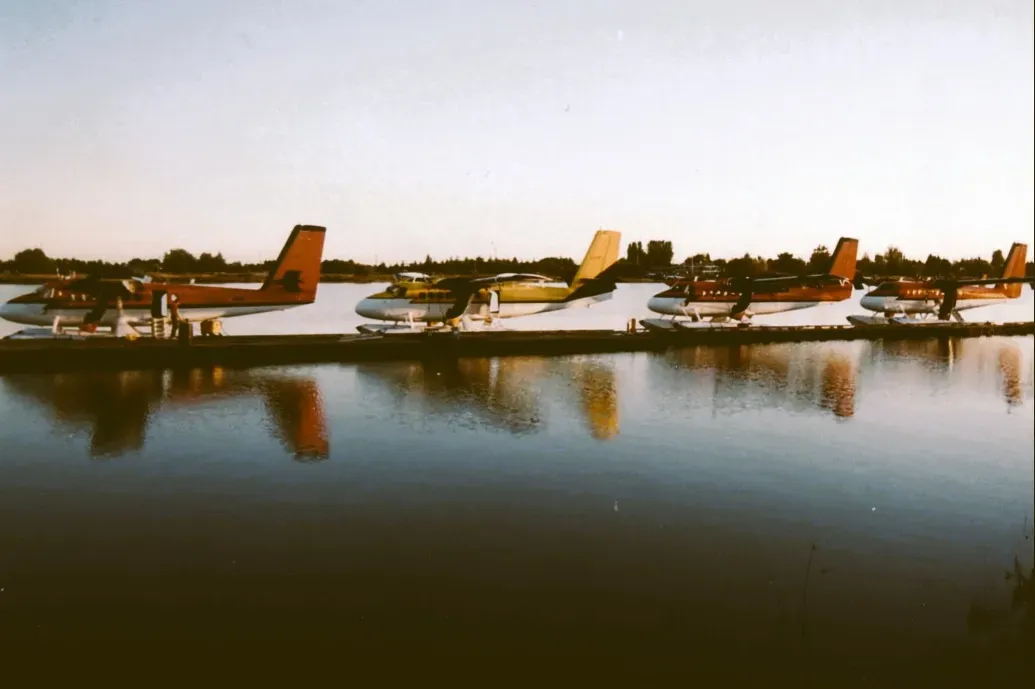
As routes grew, so did investment in the fleet. Twin Otters joined in 1986, adding capacity and flexibility, and in 1991 the De Havilland Single Otter was redesigned and rebuilt.
Expanding Routes and Improving Access
The 1990s marked a turning point. Harbour Air was shaping a true coastal network. Flights between Vancouver and Victoria launched in 1996 and quickly became a favourite way to travel. As demand continued to grow, new routes followed, including Nanaimo in 1998 and later Richmond and the Gulf Islands.
Building a Strong Foundation
Behind the scenes, the operation was growing too. In 2004, Harbour Air Aerospace Services joined the company, supporting the expanding fleet as routes continued to grow. In 2007, Harbour Air reached an important milestone by becoming the first carbon neutral airline in North America, reflecting a commitment to the places and landscapes that make coastal flying so special.
Expansion, Acquisitions, and Innovation
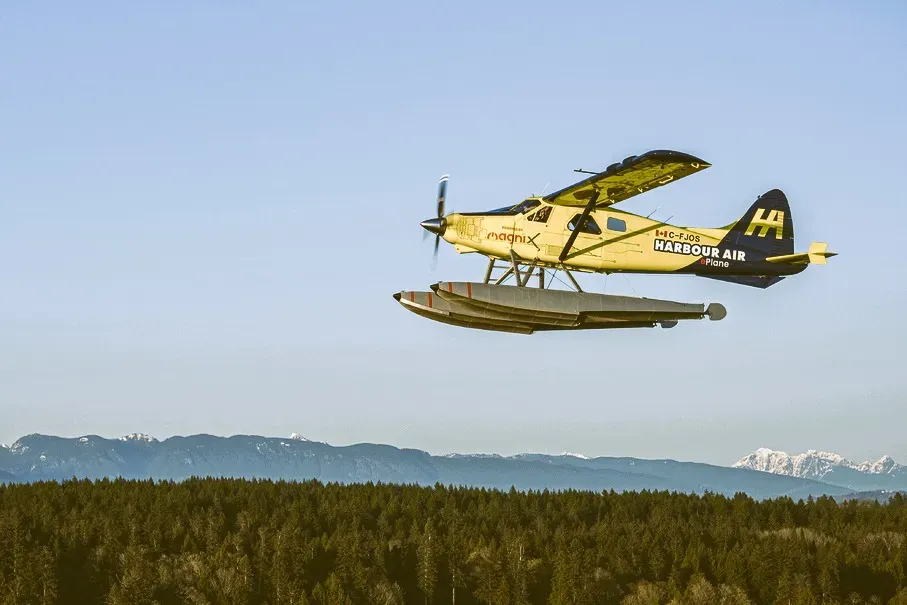
The following years brought major expansion. In 2010, West Coast Air was acquired, followed by Whistler Air in 2012 and Salt Spring Air in 2015. In 2018, international scheduled service between Vancouver and Seattle began, alongside new service to Tofino, adding even more variety to the route map. Momentum continued in 2019, a standout year for Harbour Air, when it made global headlines with the launch of the world’s first electric aircraft.
Recent Years and New Ways to Fly
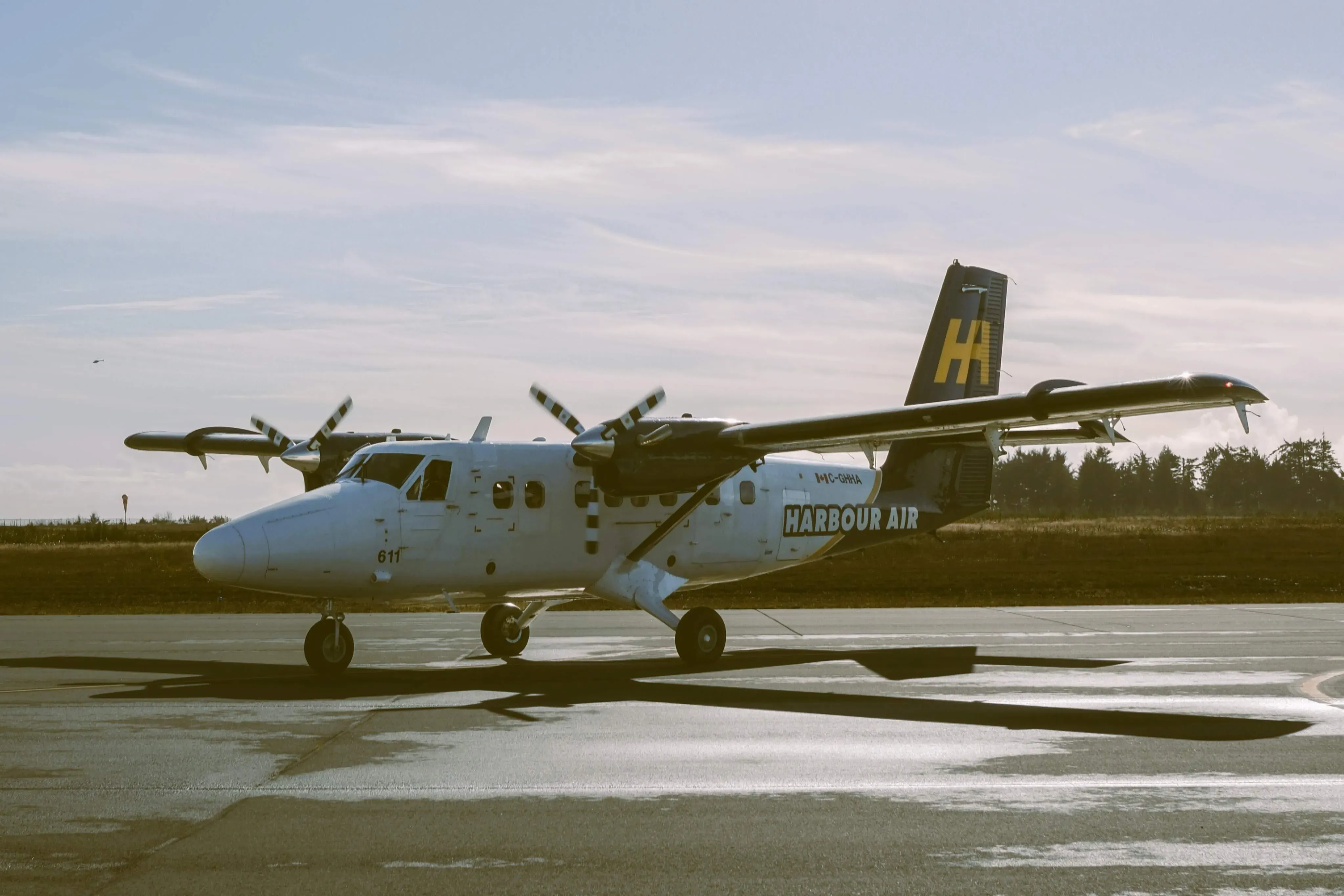
The early 2020s brought new destinations and added flexibility. Scheduled service to Kelowna began in 2021, followed by Powell River in 2022. In 2024, Harbour Air introduced wheeled service between Vancouver International Airport (YVR) and Victoria International Airport (YYJ), expanding options for travellers moving between major hubs.
Today and What Comes Next
In 2025, Harbour Air continued to build on everything that came before. Winter wheeled service between Vancouver International Airport (YVR) and Tofino Long Beach Airport (YAZ) opened a new way to reach one of British Columbia’s most popular destinations year-round. This year also introduced Harbour Air Club with Aeroplan, giving flyers more ways to reward their travels.
Looking ahead to 2026, the year promises even more connections. Scheduled service to Campbell River will expand access to northern Vancouver Island, while new service to Ucluelet adds another west coast destination to the network. International travel will also grow with the launch of scheduled service between Victoria and Seattle, strengthening Harbour Air’s cross-border presence and making it easier to travel between two vibrant coastal cities.
The Journey Continues!
Every flight tells a story. From classic routes like Victoria and Nanaimo to new destinations such as Campbell River and Ucluelet, Harbour Air connects communities, creates unforgettable experiences, and keeps pushing the future of coastal travel forward.